Hydrofluoric Acid (HF) is a strong and highly corrosive inorganic acid that consists of hydrogen and fluorine. It is known for its ability to attack glass and other silica-containing materials. Hydrofluoric Acid is available in different concentrations, including 20% to 70% solutions and as anhydrous (without water) HF.
Here are some key points regarding hydrofluoric acid in various concentrations:
Concentration Levels:
- 20% to 70% Solutions: HF is available in aqueous solutions with concentrations ranging from 20% to 70%. These solutions are commonly used in various industrial applications, such as etching, glass cleaning, and certain chemical processes.
- Anhydrous HF: Anhydrous HF refers to hydrofluoric acid without water. It is a more concentrated and potentially more hazardous form of HF. Anhydrous HF is used in certain specialized industrial processes.
Applications:
- Etching and Glass Cleaning: HF is used in the electronics industry for etching silicon wafers and glass surfaces.
- Chemical Manufacturing: It is used in the production of fluorine-containing compounds and various chemical processes.
- Oil Refining: HF is employed in the oil refining industry for alkylation processes.
- Laboratory Use: In laboratories, it may be used for certain analytical and synthetic procedures.
Safety Considerations:
- Hydrofluoric Acid is highly corrosive and poses serious health risks, especially due to its ability to penetrate the skin and affect deeper tissues.
- Safety precautions, including the use of appropriate personal protective equipment (PPE) such as gloves and goggles, are crucial when handling HF.
- Emergency procedures for HF exposure, including the use of calcium gluconate gel for topical application, should be in place.
Storage and Handling:
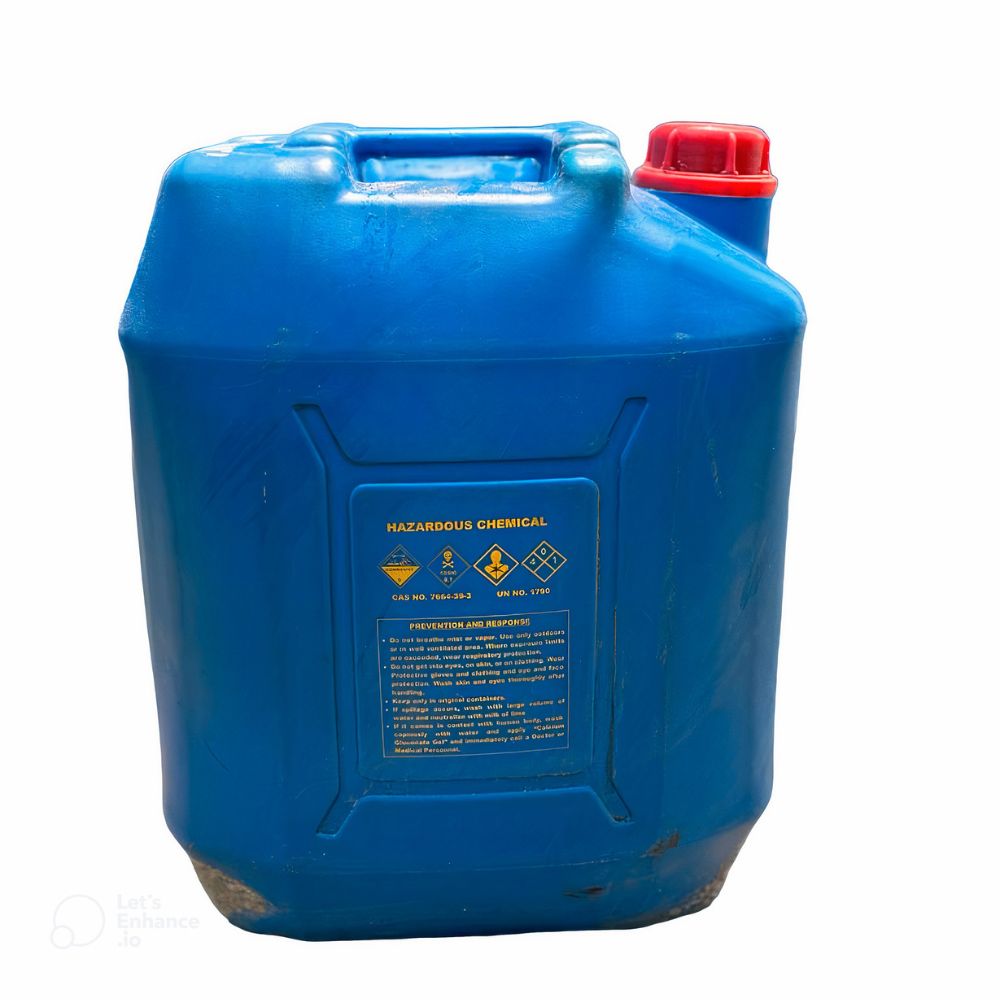
- Hydrofluoric Acid should be stored in corrosion-resistant containers, and it should be kept away from incompatible materials.
- Handling procedures should be carried out in well-ventilated areas, and spill containment measures should be in place.
Due to the hazardous nature of hydrofluoric acid, it is essential to strictly adhere to safety guidelines and regulations when working with this chemical. Users should be aware of the potential risks and take necessary precautions to ensure safe handling and storage. Additionally, emergency response measures should be established in case of accidental exposure.




Reviews
There are no reviews yet.